Best Material For a Gasket
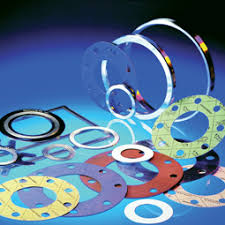
A gasket is a small component with a big job. It’s a mechanical seal placed between two or more mating surfaces to prevent leakage—of liquids, gases, or other media—when equipment is under pressure or compression. Because no machined surface is ever perfectly smooth, gaskets fill in those microscopic gaps and irregularities, creating a tight, reliable seal that keeps systems safe, efficient, and leak-free.
In most industries—oil and gas, power plants, chemical processing, automotive, pharmaceuticals, food processing, HVAC—gaskets are indispensable for maintaining performance and safety standards.
What Is a Gasket and Why Is It Important?
In simple terms, a gasket:
- Fills the space between two mating surfaces
- Compensates for imperfections in metal or other materials
- Prevents leakage of fluids (water, oil, chemicals) and gases (steam, air, etc.)
- Pressure and temperature variations in industrial systems
Even a tiny leakage can lead to:
Loss of efficiency and higher running costs
Safety hazards for workers
Equipment damage and unplanned downtime
This is why choosing the correct gasket material and design is critical for any industrial application.
Common Gasket Materials Used in Industry
Gaskets are most commonly produced by cutting from sheet materials, but the choice of material depends heavily on the
operating conditions—temperature, pressure, chemical exposure, and media type.
Some widely used gasket materials include:
Rubber (Natural & Synthetic):
Ideal for low to medium temperature applications, water, air, and mild chemicals.
Silicone:
Excellent temperature resistance and flexibility, used in food, pharma, and sanitary applications.
Metal (Steel, Inconel, etc.):
Suitable for high-pressure, high-temperature environments, such as refineries, boilers, and power plants.
Cork:
Often combined with rubber for sealing oils and fuels, commonly used in automotive and machinery applications.
Felt:
Used where cushioning and low-pressure sealing is needed.
Neoprene & Nitrile Rubber (NBR):
Popular for oil, fuel, and chemical resistance in automotive, marine, and industrial systems.
Fiberglass:
Withstands high temperatures, used in thermal and exhaust applications.
PTFE (Polytetrafluoroethylene or Teflon):
Offers outstanding chemical resistance and low friction; ideal for aggressive chemicals and corrosive environments.
Engineering Plastics (e.g., Polychlorotrifluoroethylene):
Used for specialized applications requiring chemical and temperature stability.
Each material is selected based on:
- Operating temperature
- Pressure rating
- Type of fluid or gas being sealed
- Required service life and safety standards
At
New Age Scaffolding, gasket materials are carefully selected based on the
specific environmental and operating conditions in which they will be used—whether it’s high temperature, high pressure, vacuum, aggressive chemicals, or hygiene-sensitive processes.
Why Partner with New Age Scaffolding in India for Gaskets?
Choosing the right gasket partner can significantly improve plant reliability and safety. New Age Scaffolding offers:
- Decades of industry experience in gasket design and application
- Non-asbestos, high-performance materials suitable for modern regulatory standards
- Wide product range – sheet gaskets, ready-cut gaskets, spiral wound gaskets and more
- Application-based material selection guidance
- Supply capability within India and export markets
If you are searching for a non-asbestos gasket manufacturer in Delhi, a ready-cut gasket supplier in India, or a spiral wound gasket exporter, New Age Scaffolding offers end-to-end solutions tailored to your industry and application.